
Do speed bumps damage cars, and if so, how? Will you know if your vehicle has been damaged after going over a speed bump? Today, Quantrell Collision is answering these questions and more.
Speed bumps can damage your vehicle, and you've probably known someone who's lived through this exact scenario. But how do speed bumps damage cars, and how can you avoid it? According to the Federal Highway Administration, speed bumps are created to decrease driver speed to around 15 or 20 mph;1 slowing to match these numbers is key. As a general rule of safety, we tell our Quantrell Collision customers that the bigger the bump, the slower they should drive.
If you hit a speed bump at a high enough speed, not only will you feel uncomfortable as you jostle across it, but the impact can also damage your vehicle. Most people don't particularly enjoy slowing down for speed bumps, but ignoring them can cost you hundreds or even thousands of dollars in repairs. Potential consequences include the following and others:
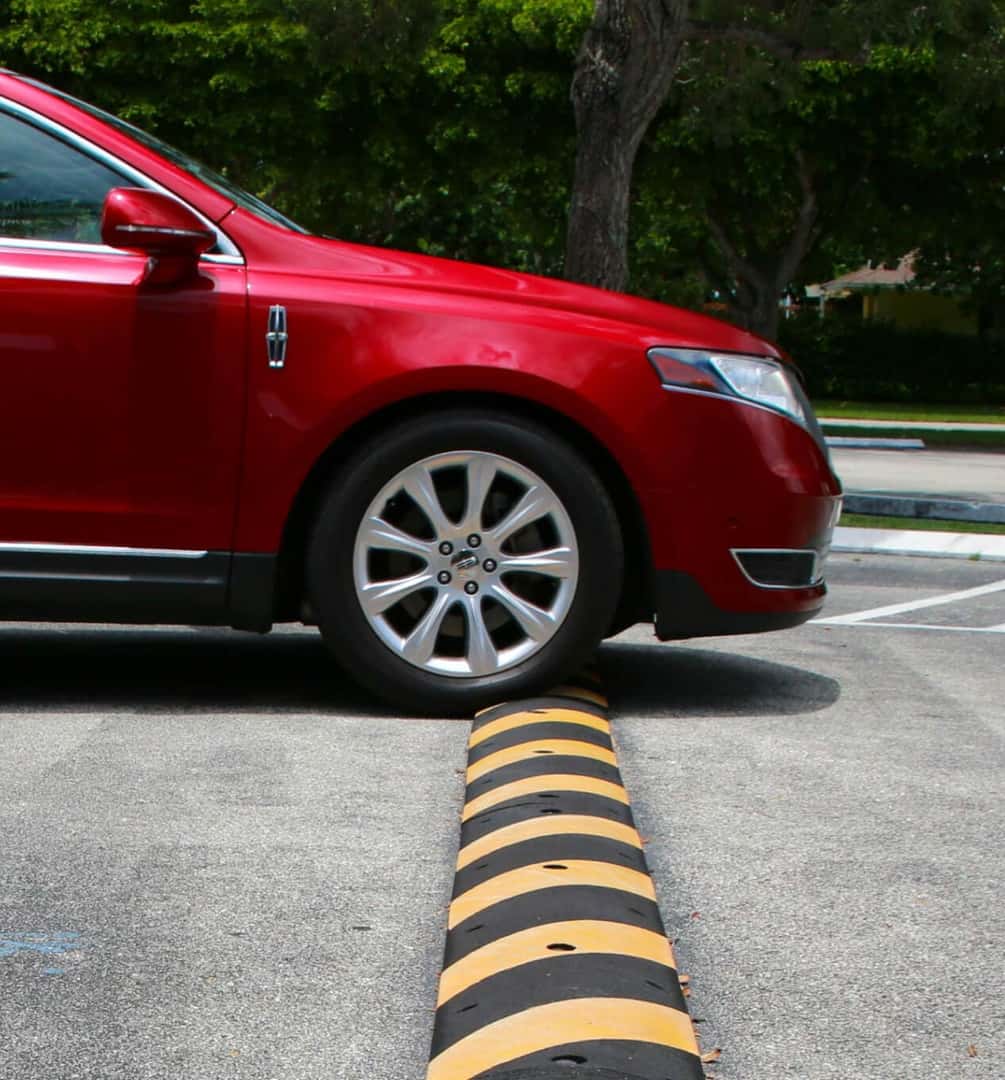
As of August 2026, there is no evidence suggesting that crossing speed bumps at reasonable speeds for years and years will do any damage to your vehicle. In fact, speed bumps are specifically designed by the Federal Highway Administration to not hurt your vehicle when you drive over them appropriately.
While it's true that repeated speed bump impacts can contribute to the wearing of your suspension over a long period, this component is built to compress and rebound, so it should not degrade or break solely because of these road barriers.
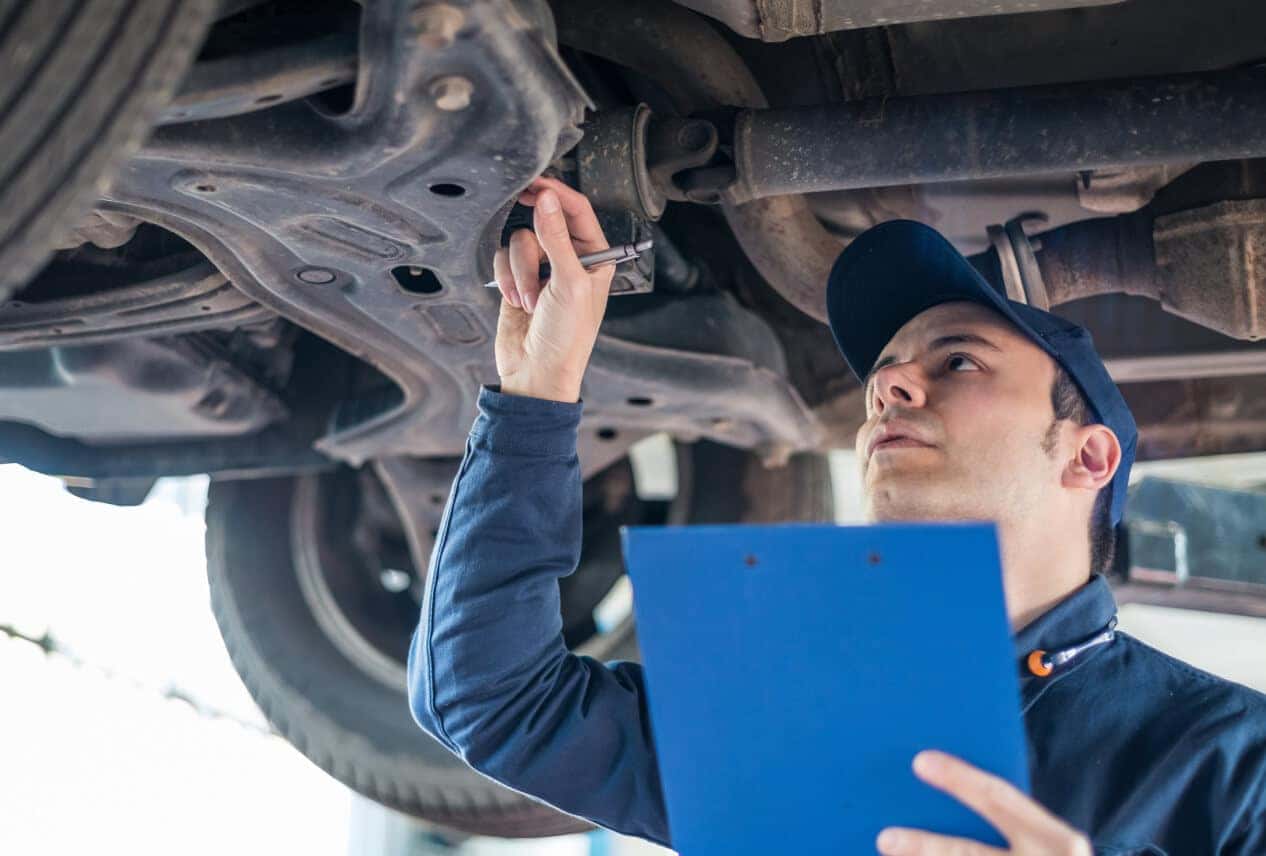
If your vehicle is showing any of the following symptoms after you've hit a speed bump too fast, please schedule an auto body repair estimate as soon as possible. The faster you have your car checked out, the better.
Keep in mind that crossing speed bumps too quickly may not be the primary reason you're experiencing the problems we listed above, but no matter the cause, having our auto body shop take care of the issue before it can affect other components is your best move.
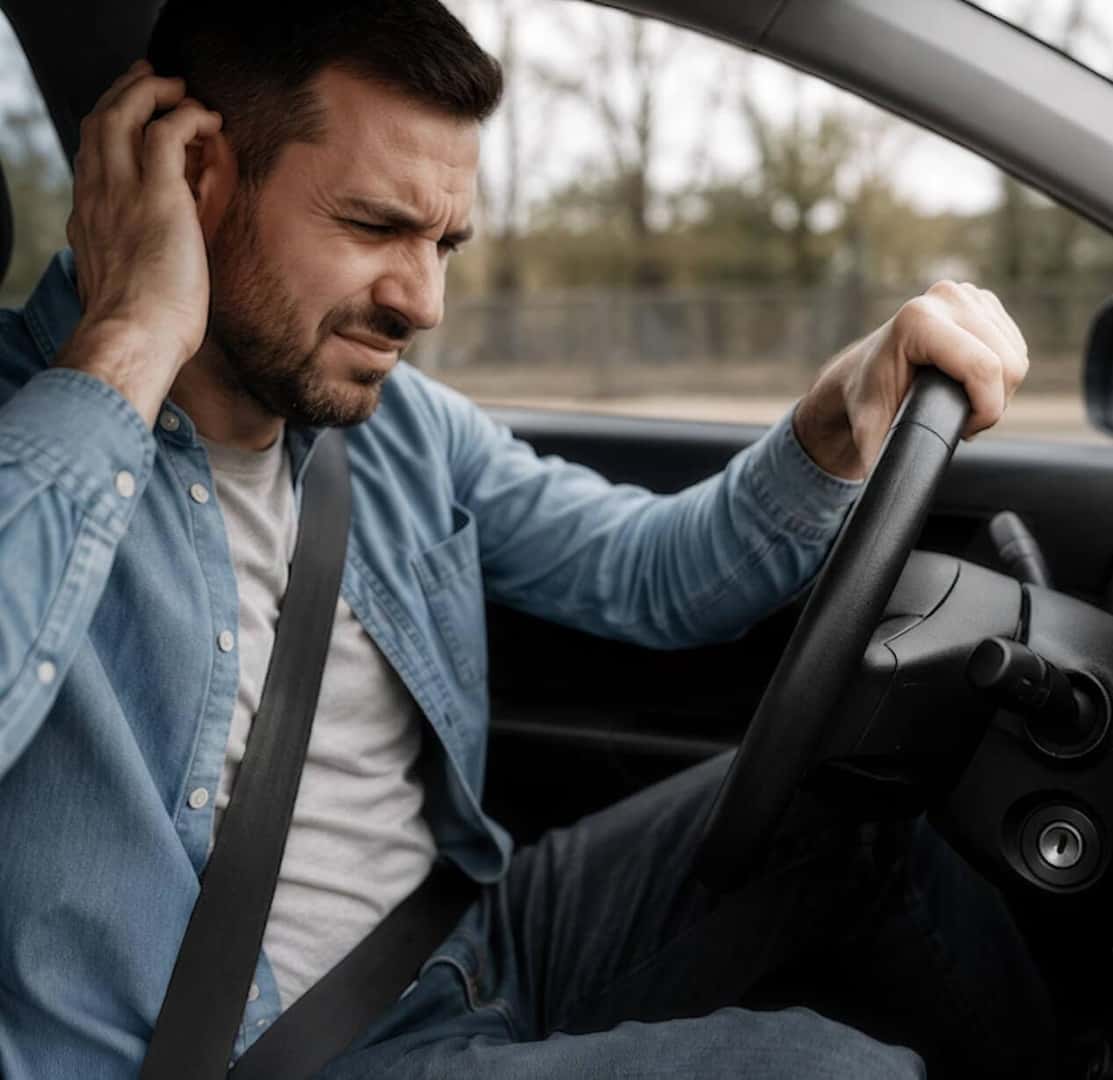
The answer to "Do speed bumps damage cars?" is both yes and no. Drive over them slowly and carefully, and they shouldn't. Cross them too fast, and they might. If your vehicle is suddenly pulling, shaking, bouncing, or squeaking in a concerning way, please contact us in Lexington, KY, for support. You can get a free estimate quickly and peace of mind soon after.
1Reference to this third-party review/claim is solely for informational purposes and not to be relied upon. For more details, please visit https://highways.fhwa.dot.gov/safety/speed-management/traffic-calming-eprimer/module-3-part-2.

