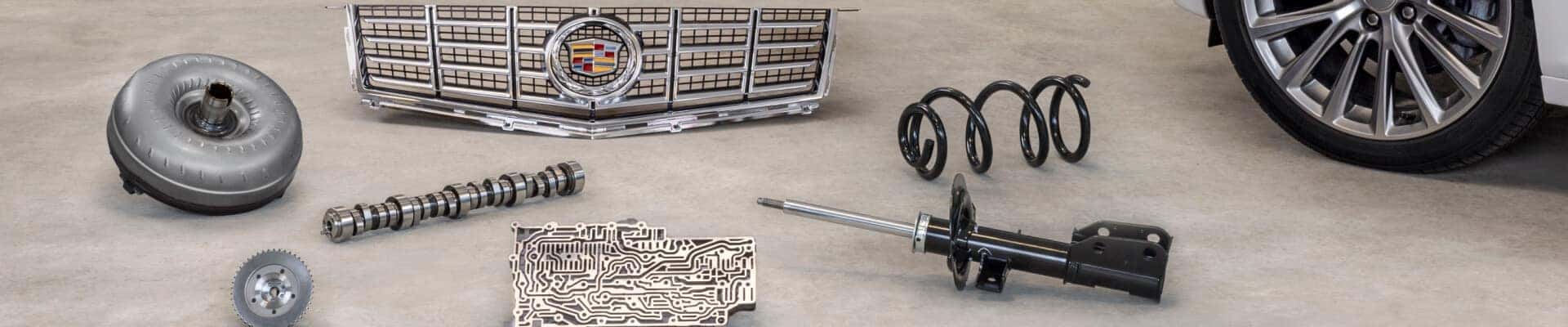
The OEM vs. aftermarket debate is fierce: Some are tempted by aftermarket retailers for their prices, while others know the long-term reliability of OEM components far outweighs any upfront cost. If you're DIYing a vehicle repair, upfit, or customization, you're likely caught in the middle of this OEM vs. aftermarket conundrum and need a definitive answer as to which option is best.
After consulting our Quantrell Collision Center technicians and a good amount of expert research, we've concluded that factory-built or approved parts are almost always your best options – but let's dig into the facts that prove it.
The whole OEM vs. non-OEM argument started because people have differing priorities regarding the cost, quality, and fit of their vehicle's parts. Every driver and technician has the right to make the decision that most closely aligns with their goals. Take stock of how you need your parts to perform, then scan this overview of the benefits and risks of OEM vs. aftermarket parts to help you choose.
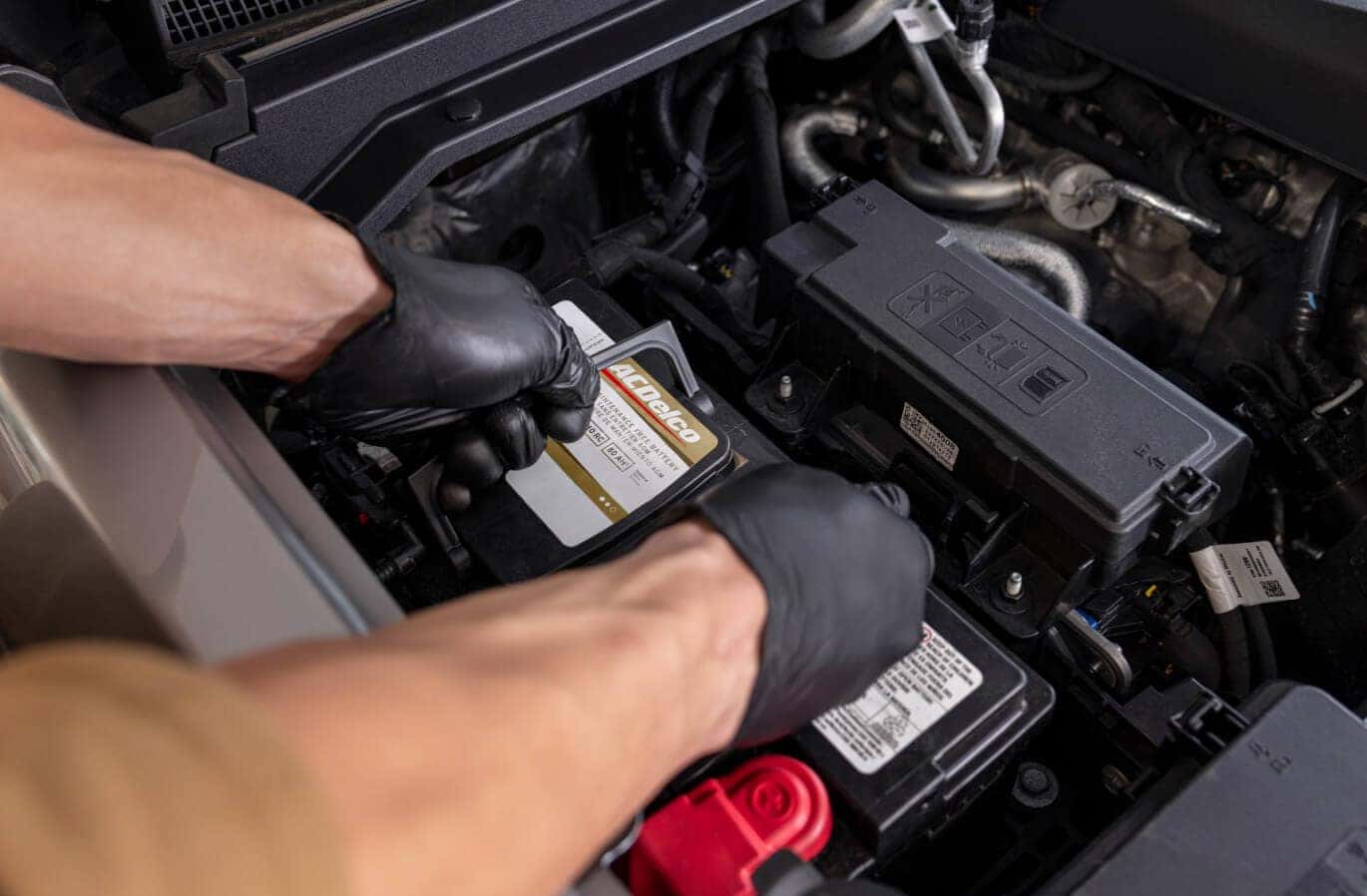
Schedule an estimate with Quantrell Collision, and you're guaranteed the peace of mind that only OEM parts can bring. Made expressly by your vehicle's manufacturer or its designated suppliers for your specific model, OEM parts are precision-engineered to fit and function perfectly. You might pay slightly more for these original components, but these benefits pay for themselves in the long run:
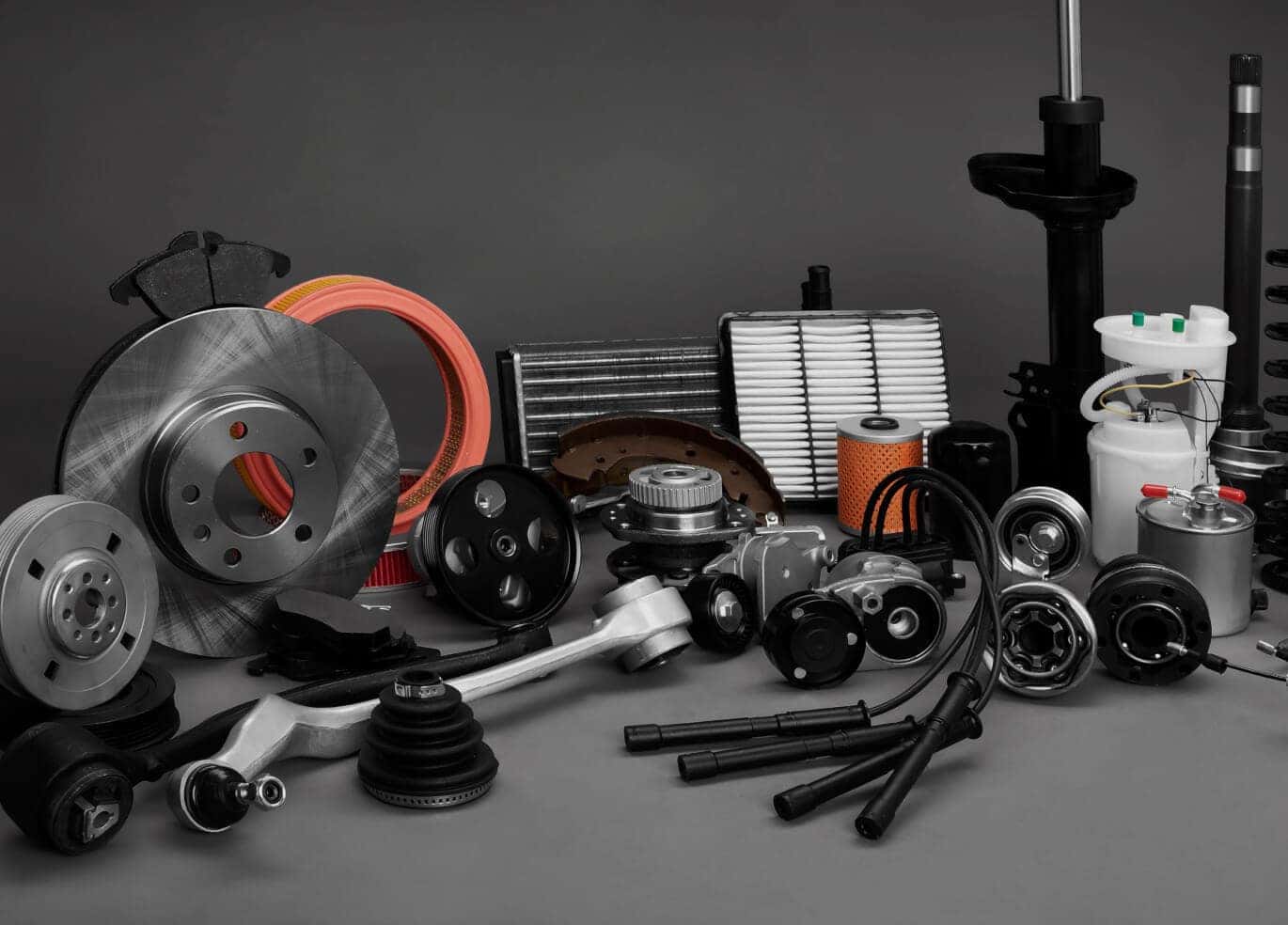
The biggest draw toward aftermarket components and accessories is their price, but just like any other purchase, you have to weigh the upfront cost of purchasing from a third party against the product's expected performance quality and lifespan. Aftermarket parts can be good in a pinch, but they're a bit like IKEA furniture: Sometimes, they fit your vehicle well and don't cause problems, but more often than not, you'll face struggles like these:
Book your repair estimate and appointment at our auto body shop in Lexington, KY, for reliable collision service.

